
Guido Francescato
November 9, 1931 – December 17, 2024

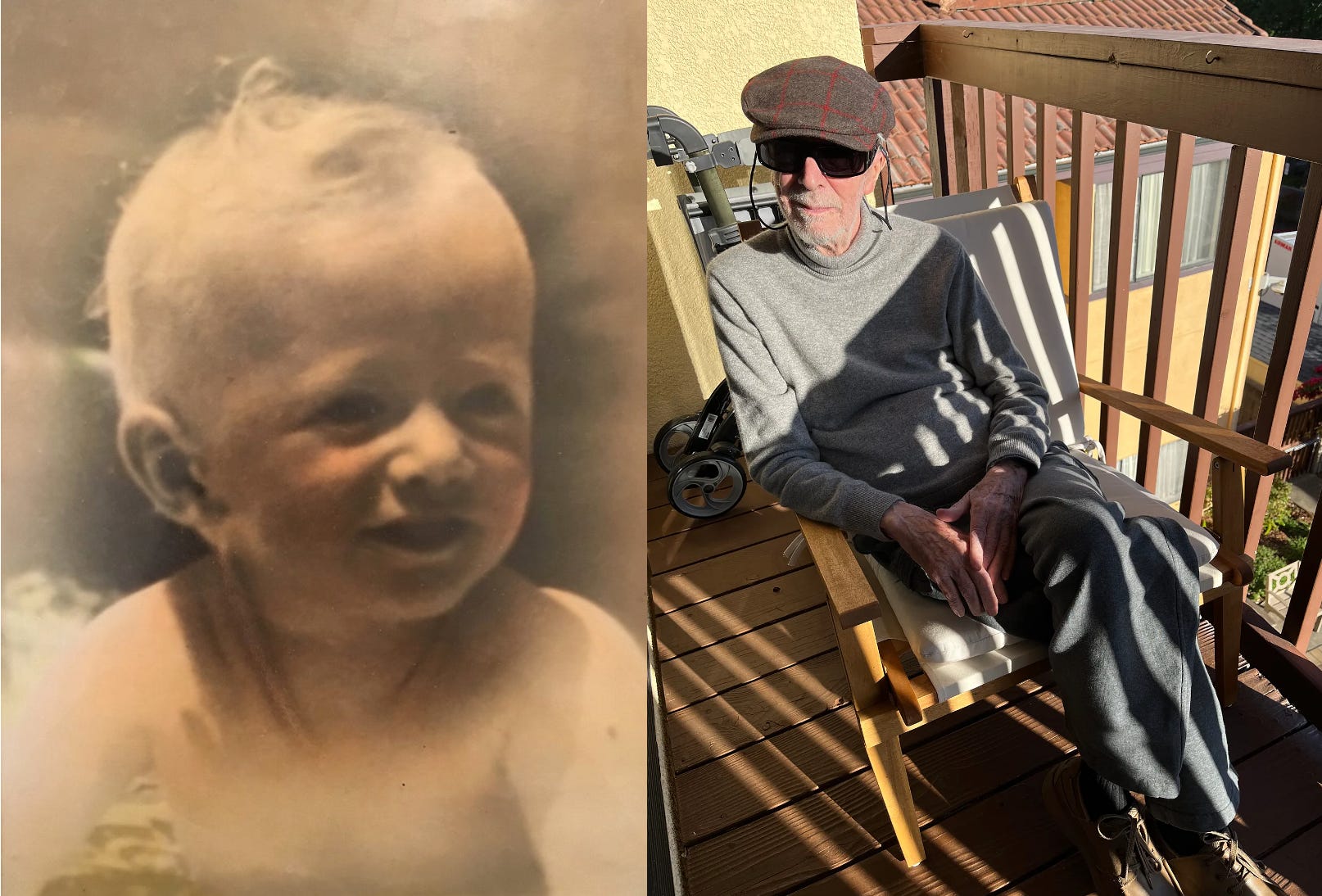
Guido Francescato was born on November 9, 1931, in Trieste, Italy. His father, also Guido Francescato, was an entrepreneur who started a number of businesses during his long life. In Trieste, he owned a hat store, where he employed Maria Acquavita, who became his wife. When Guido was two, the family, now including his younger sister, Annamaria, moved to Milan, where they lived in one of the few apartments on the top floor of a beautiful building in the Piazza del Duomo. Guido’s father opened stores in Milan that made clothing and hats for opera singers and others in the city’s emerging fashion scene.
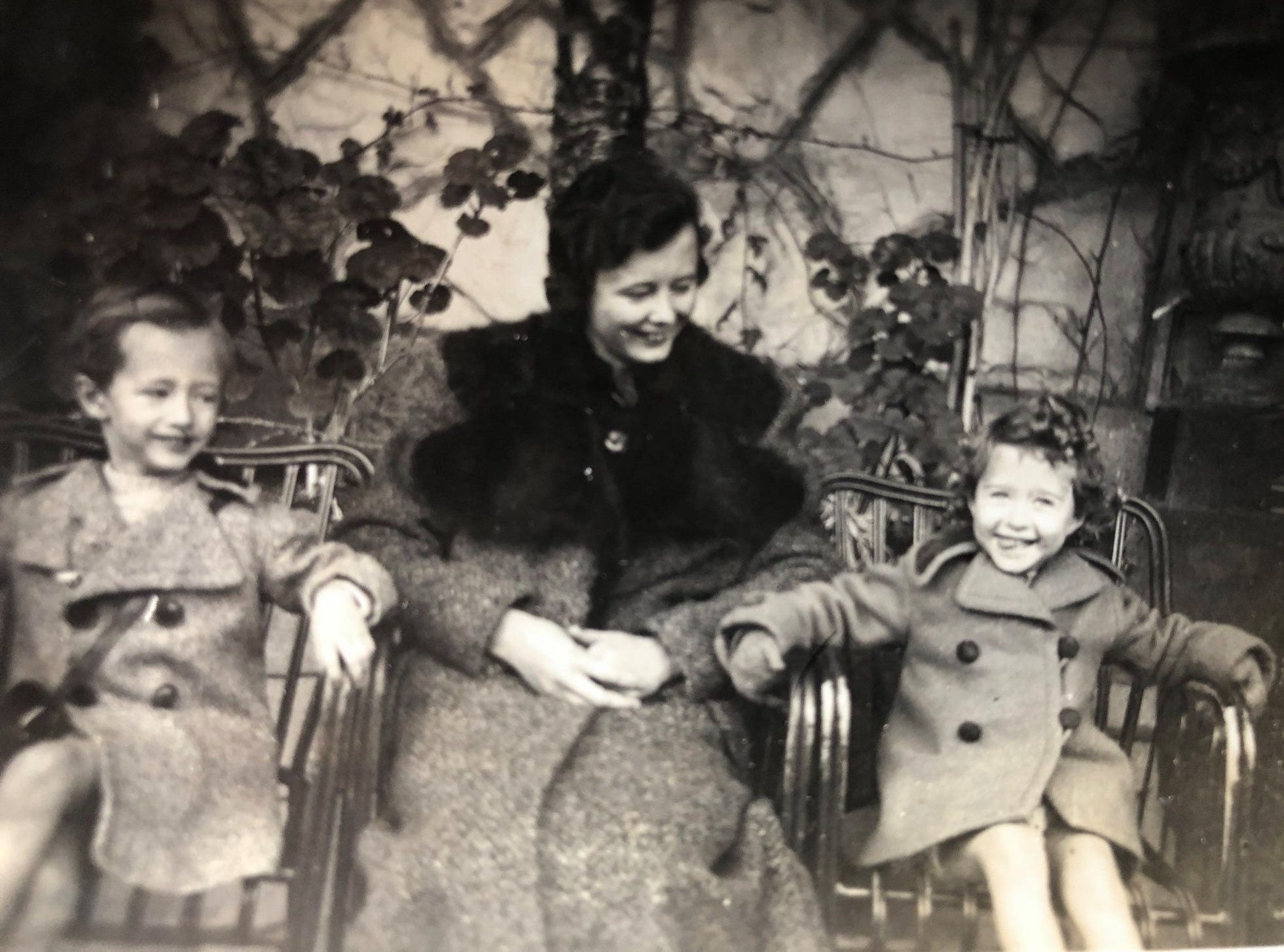
During the war, young Guido (known in his family as Ducci, short for Guiducci, the diminutive of Guido) and Annamaria were often sent to schools in the country; he would stay with families near the schools, while she would be entrusted to nuns, who taught her to be modest and look down while she walked, with the result that she was always finding coins on the ground. Although the purported reason for being sent away was for their safety from the bombing in the city, Guido later suspected other motivations were also at play. His mother worked six days a week and long hours in the store, so she wasn’t around much unless he got sick and had to stay home from school. Sending the kids out to the country may have made her life simpler.
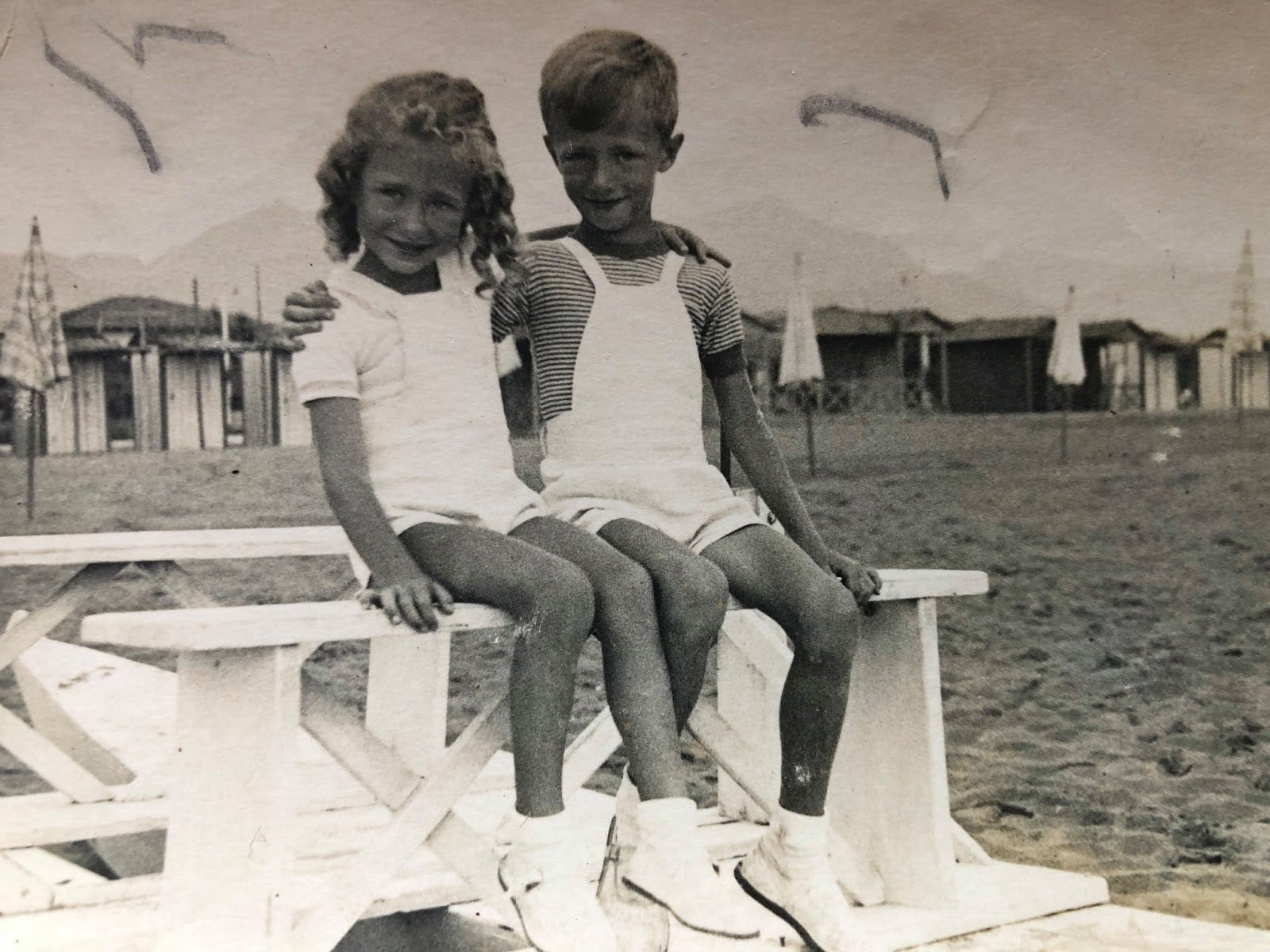
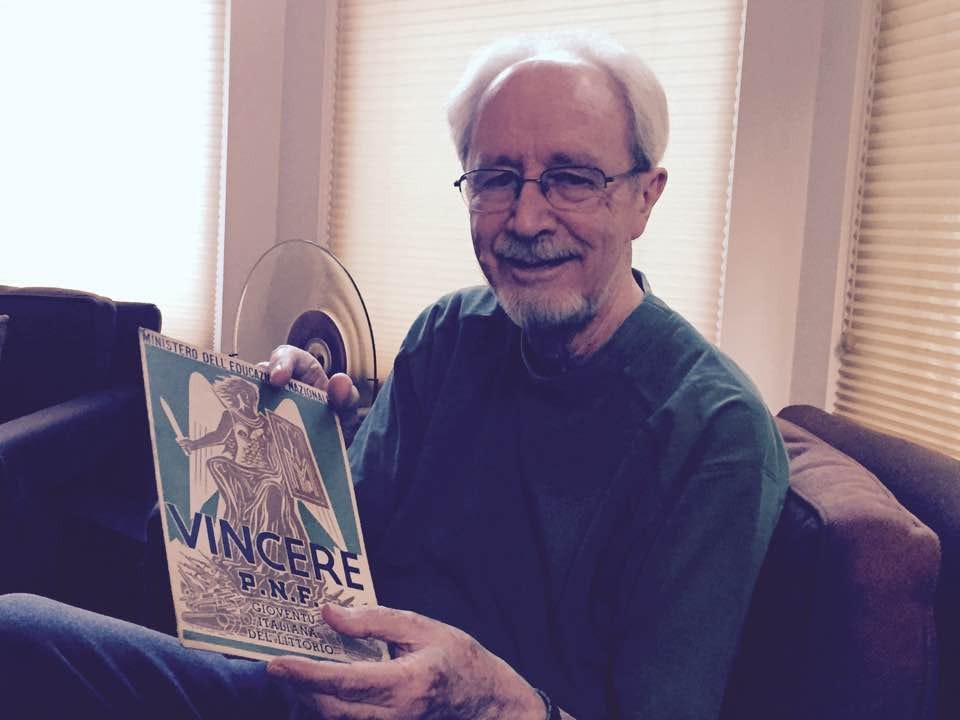
The last year of the war the children were unable to go away, because so much infrastructure had been destroyed that it was hard to move around. Guido and Annamaria experienced air raid warnings when they had to spend time in bomb shelters. There are still bullet marks on the walls of their building from 25 April 1945, when the Italian Resistance shot at the building, having been told there were fascists on the roof. Guido and Annamaria were at the window looking out, and he hastily pulled her away with him when he realized what was happening. When he’d been in elementary school, Guido was graded on fascist culture along with reading and math; later, he saw Mussolini being dragged through the streets.
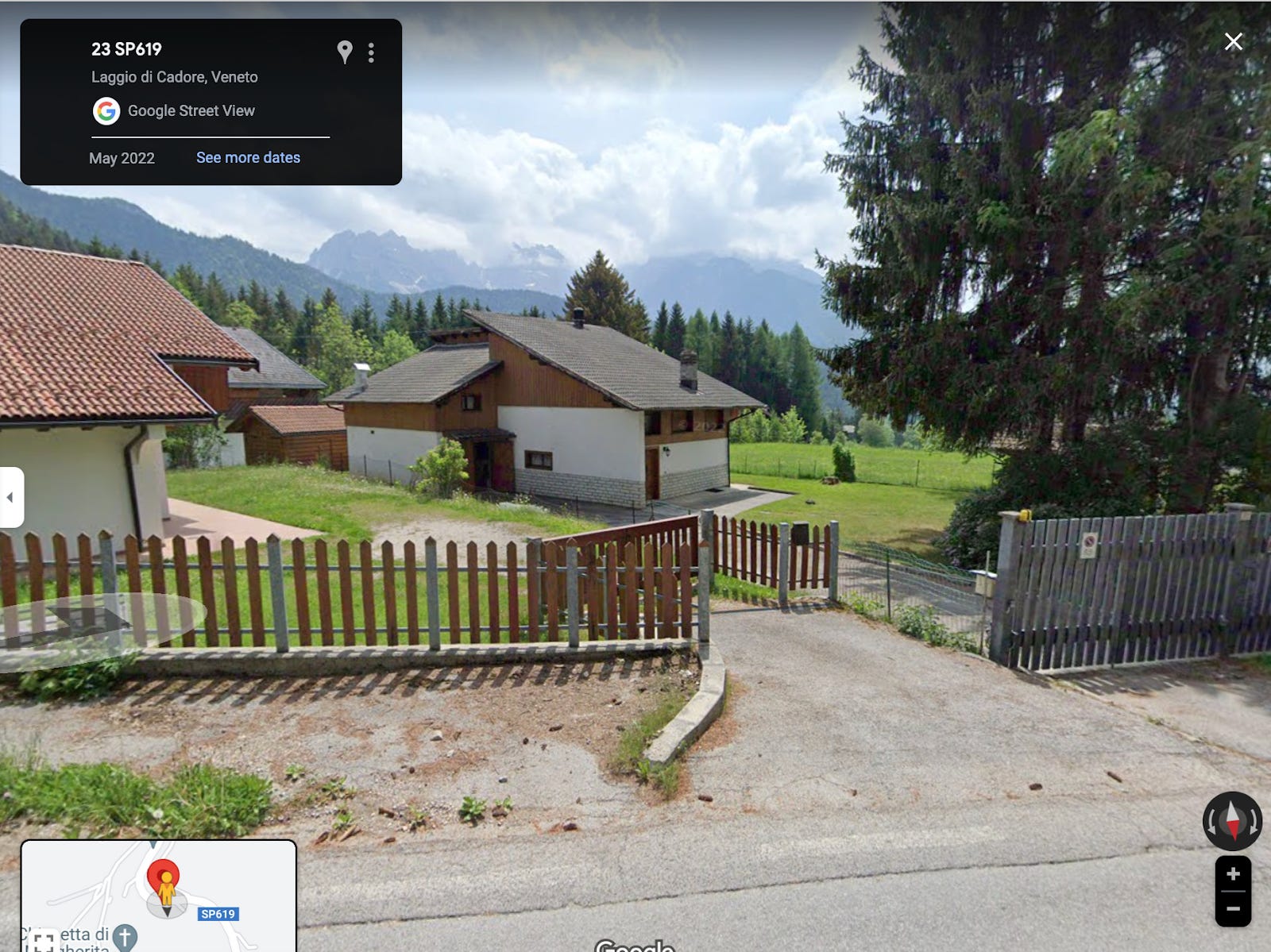
In 1950, after Guido graduated from high school, the family moved to Argentina. Although the initial business opportunity his father was pursuing didn’t pan out, in their time in South America, Guido’s father opened some hotels, including Hotel Milano at the seaside resort of Punta del Este, Uruguay. Hotel Milano is still there; Guido’s parents operated it into the early 1970s, spending southern-hemisphere summers there and Italian summers in their house in the Dolomites, designed by their son.
Guido’s father would have liked him to continue the family business, but he always wanted to be an architect. He began his studies at the National University of Buenos Aires, where he received a BA. Later, he followed a girlfriend to the University of Illinois in Urbana-Champaign; she broke up with him on his arrival in New York City, but he continued to Urbana as planned to pursue his Bachelor of Architecture degree.
In 1957, when they were both TAs in Lincoln Hall at the University of Illinois, Guido met Martha Paley, a student from Buenos Aires who was pursuing a Master’s with a major in English and a minor in Spanish. She told him she had an extra theater ticket and asked if he’d like to come along. They soon became an item, and after they graduated in 1959, Guido and Martha returned to Buenos Aires to get married and settle there. They took a freight ship to go home; when the ship offered them a cabin together they declined, saying they weren’t married yet — something they later laughed about. Changing times and later experiences made them more liberal-minded.
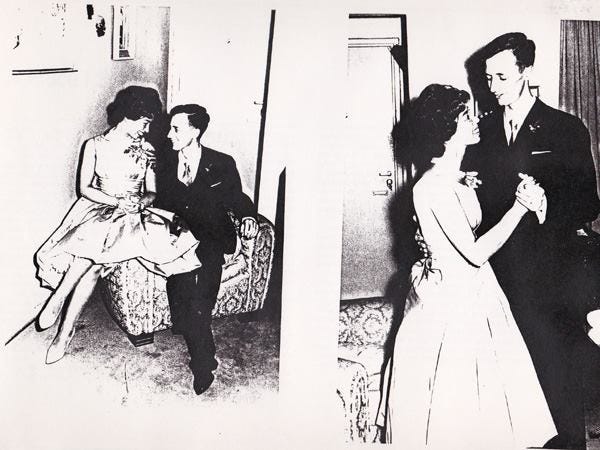
Guido and Martha were married on April 22, 1960. Their first daughter, Rosana, was born in 1961. Their second daughter, Julia Valeria (now known as Valerie), was born in 1964.
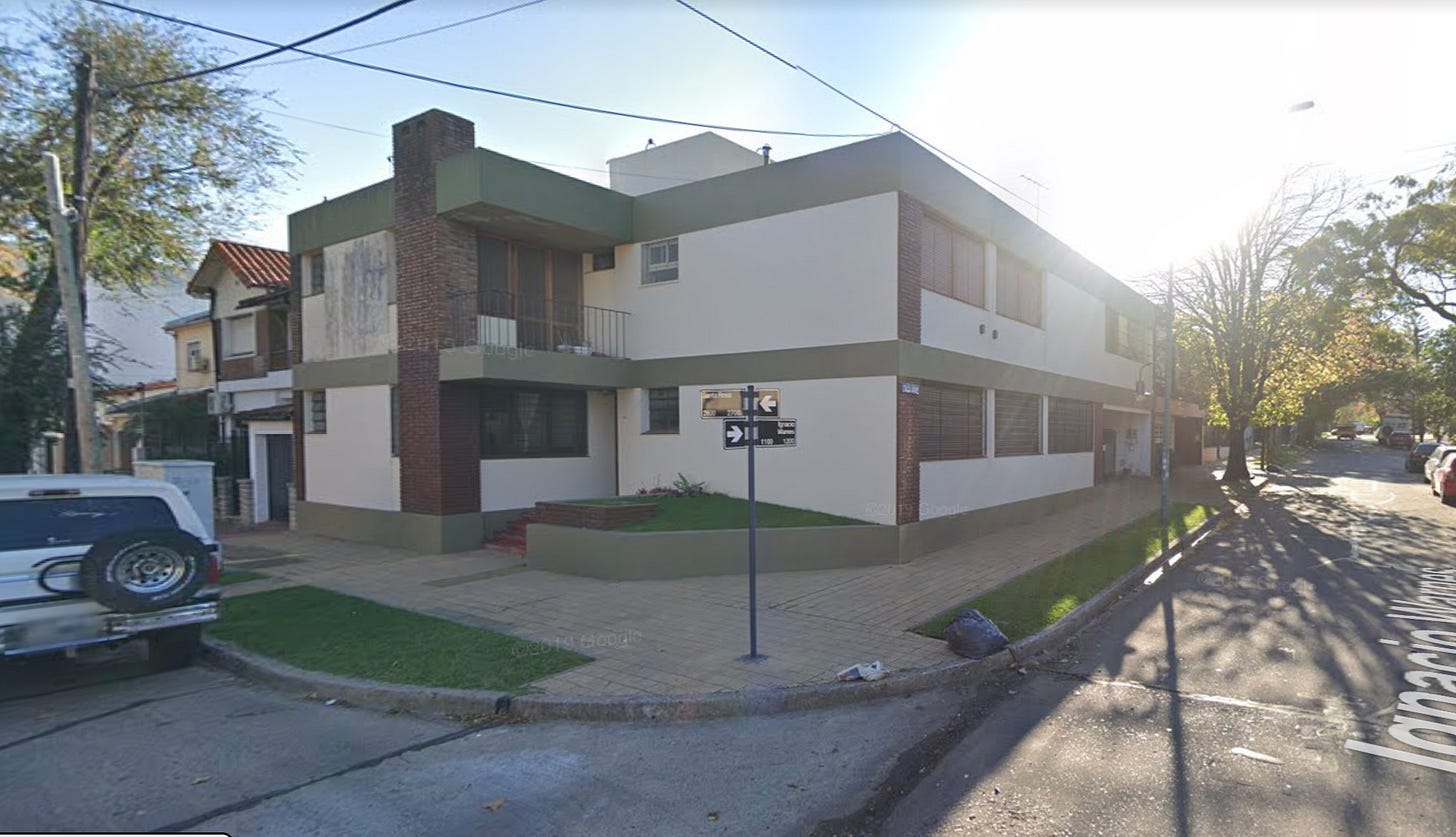
Guido had previously designed apartments, shopping centers, and movie theaters in Buenos Aires. But on his return to Buenos Aires, he got a good job at Swift, a major meat-packing company, designing (you guessed it) meat-packing facilities. Though it wasn’t what he wanted to do forever, it paid much better than most architecture jobs, and the work was interesting because it presented unique challenges and was different from anything he’d done before. During this time, he also designed an apartment building on a lot owned by his parents in Florida, a suburb of Buenos Aires. The young family lived in one of the apartments.
In the spring of 1964, Guido got an inside tip about Swift’s impending demise during a time when he was corresponding with a former professor at the University of Illinois. The professor told him that if he returned to Urbana he’d have a job for him; six months later, the family was flying there, with five-month-old Julia Valeria in a crib with their heavy silverware hidden under her blankets.
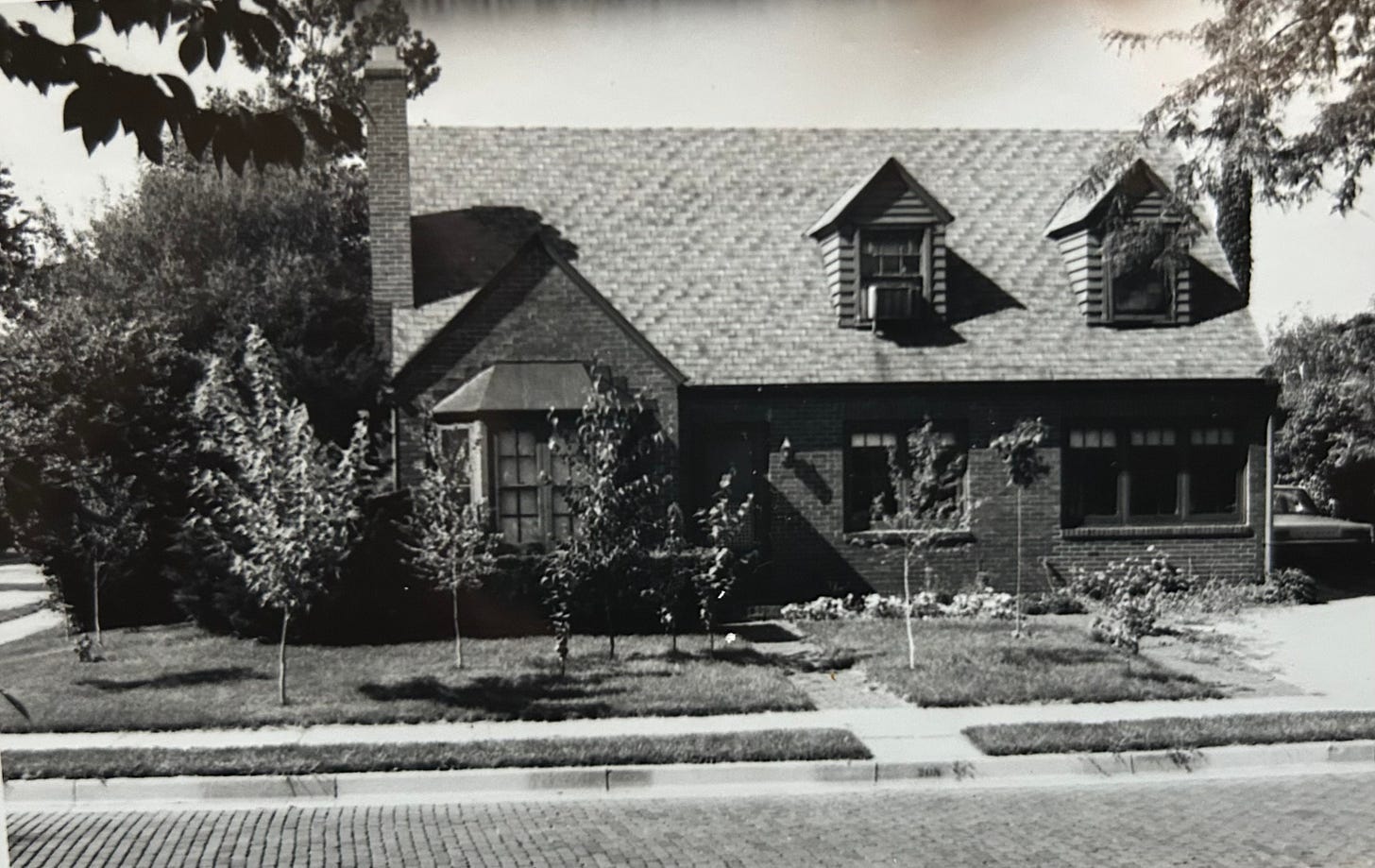
In Urbana, Guido continued his studies, receiving a Master of Architecture in 1966. He then taught at the U of I, where Martha also taught after getting a PhD in Spanish in 1970. In 1978, Martha and Guido moved to the east coast pursuing better job opportunities for her. She taught at the University of Massachusetts in Amherst, where she was Chair of the Spanish and Portuguese Department, while he taught at the University of Maryland, where he was Chair of the Department of Housing and Design. In 1980, Martha joined Guido in the DC area with a position at George Mason University as Professor of Spanish and Department Chair, Foreign Languages and Literatures.
In his teaching and research career, Guido focused on interrelated issues in architectural and urban theory, criticism, environmental design research, environmental psychology, and design methods. His research in residential satisfaction in publicly assisted housing generated conceptual models and protocols that are widely used in this type of work around the world. His work received a 1983 Award for Exemplary Research from the National Endowment for the Arts and a 1980 Progressive Architecture Research Award.
In addition to teaching and conducting research, Guido designed buildings in North America, Argentina, Italy, and Ethiopia. He was a consultant for a number of private and public organizations, including the World Bank and the U.S. Department of Housing and Urban Development.
Guido and Martha lived in Potomac, Maryland, till 2013, when they moved to San Rafael, California, to be near their daughters. They lived in a duplex with Valerie and her husband, Creg Jackson, until December 2023, when they moved to Drake Terrace Senior Living, also in San Rafael.
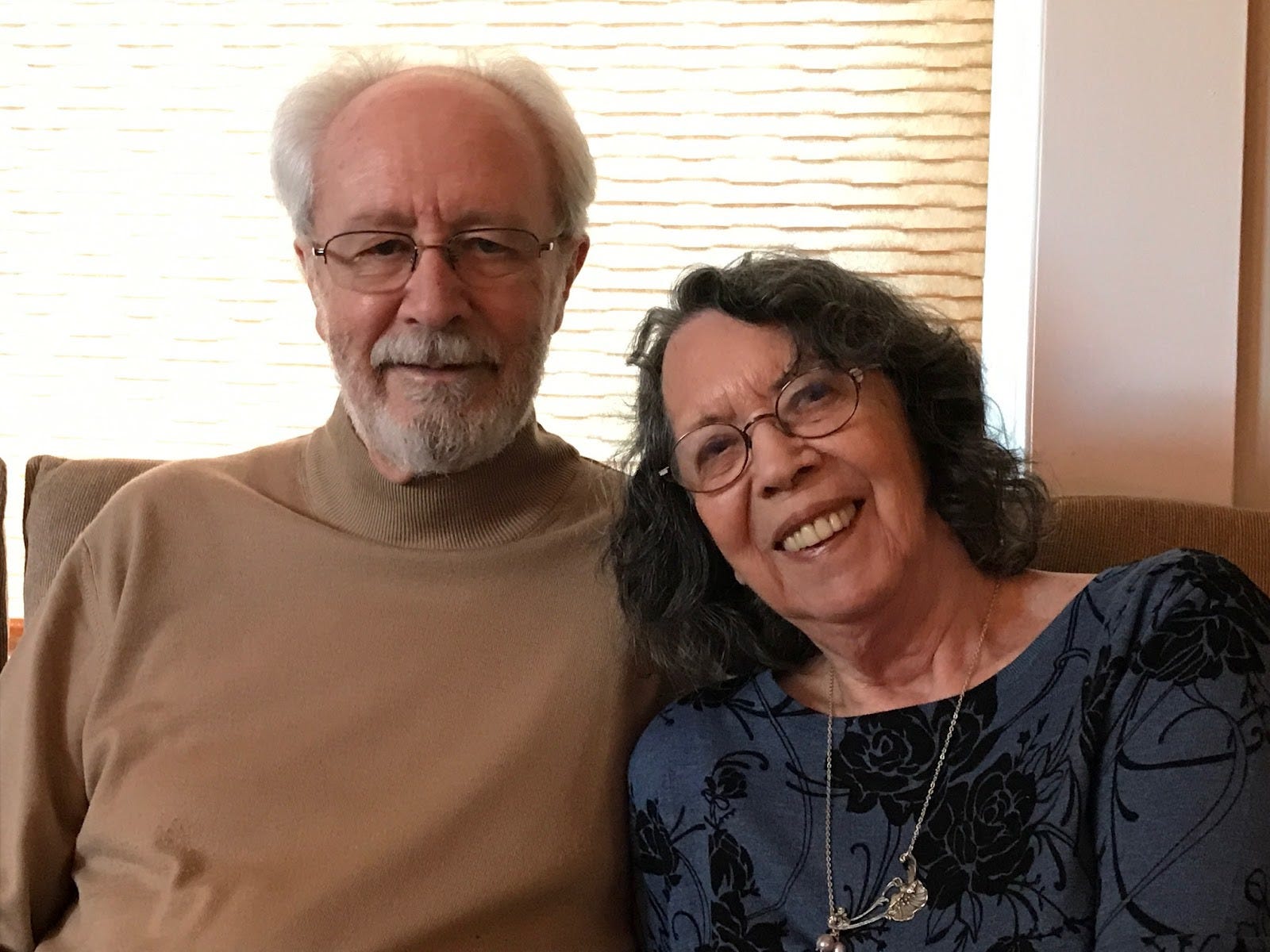
Guido was known for his sarcastic sense of humor, propensity for logic, and distinguished demeanor. He was a respected professor, a cherished friend to many, and a beloved husband and father.
More photos here (you can see them even if you don’t have a Facebook account).
A nice biography and tribute to your father! I didn’t know all those things about him, though I did know some of it from previous posts. I wish I had read that whole biography when he was still alive; it could’ve prompted me to ask him more questions when I would see him, such as a Thanksgiving.
Wow. Both your parents are a hard act to follow! It's funny that as a kid, I had no clue what your parents did other than they taught at Illinois, and your dad was in architecture!