
Let's Get Casual
Down with formality!

I feel weird this week writing about anything other than fascists taking over our country. But I’m told writing is an act of resistance. And come to think of it, fascism tends to be rigid, ceremonial, and highly structured — what you could call formal. Plus, today’s post is ultimately about community (as you’ll see if you read to the end), something we need in these times more than ever.
As always, to help more people find Flower Child, if you enjoy this post please click the ❤️ at the top or bottom. Thank you!
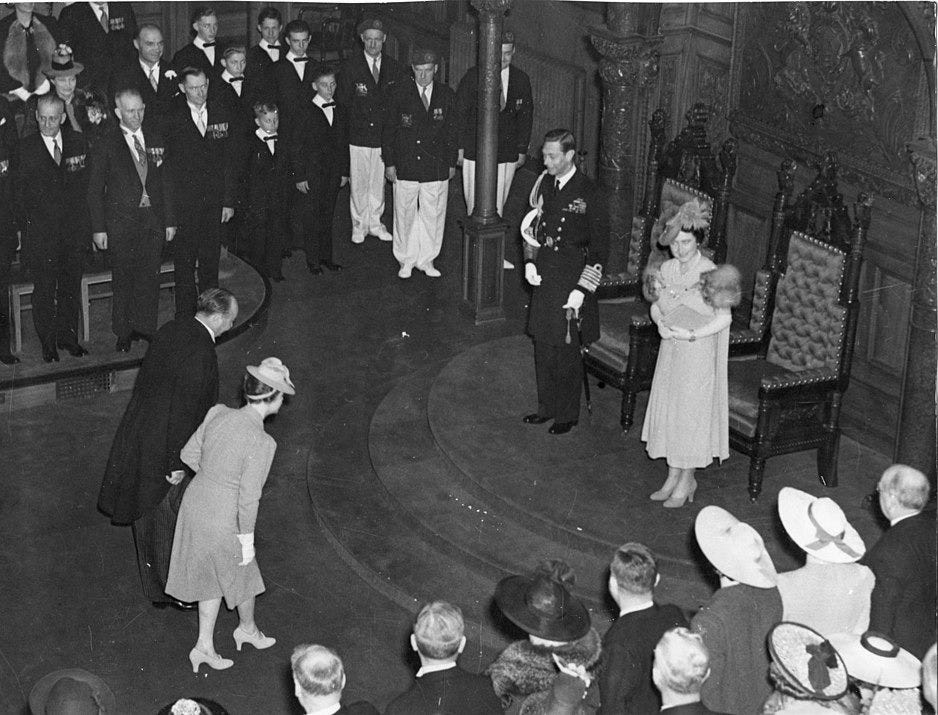
I have a thing about formality: I can’t stand it. It gives me the creeps, sends shivers up and down my spine, makes me break out in a cold sweat. Okay, I’m exaggerating, but you get the idea.
The rules of formality call out to me to break them. The more rigid the formality-related rule, the stronger my urge to break it.
I believe hierarchies were made to ignore. I couldn’t care less which spoons and forks I’m supposed to use for which part of my dinner. Overly manicured gardens depress me. Don’t ask me why — I remember having that reaction as a very young child. I’ve always been attracted to scruffiness and repelled by formality.
Hey, if formality is your bag, I’m down with that. I don’t mean to say my way is better than yours, though of course inside I feel that way, just as you surely feel your way is better. We’re only human. But I’ll still love you, and I’m not going to try to make you less formal — just don’t force your formality on me.
Beauty and style vs. formality
Don’t get me wrong: in typical Libra fashion (not that I believe in that stuff! not at all!), I appreciate all kinds of beauty and definitely want to be surrounded by it as much as possible.
So if you want to get dressed up or decorate your dinner table, I promise I won’t be tempted to run away — ON THE CONTRARY, I’ll deeply savor your efforts. I may be too lazy and unartistic to bother with centerpieces (Rafael had to handle them for the cocktail tables at our wedding), but I can still enjoy yours.
I like dressing up as much as the next person, sometimes more. Don’t make me dress formally if I don’t feel like it, or conservatively ever — or, god forbid, don pumps or pantyhose, which were de rigueur when I entered the workforce in the 1980s and so not my style. I had a hard time dressing the way I was supposed to then, but when I later worked in tech, I was one of the most dressed-up people there — though admittedly, that didn’t take much in a workplace where one guy wore shorts every day of the year. As much as I prefer casualness, I also have a deep, abiding need for beauty and style.

Kindness and consideration vs. formality
I have zero patience for etiquette when it relates to observing the rules of formality — those aforementioned forks and spoons, whether to put elbows on the table, which side to pass the food on. Hmm, a lot of the rules are about food. Is that because eating is the most animalistic thing we do in public, and in trying to be formal we’re trying to hide that we’re still animals?
Whatever the reason for rigid table rules, the only etiquette I care about is etiquette related to kindness and respect. To me, being polite means being considerate of others.
Would I like to have a tiny Miss Manners on my shoulder at all times, feeding me polite yet often withering ripostes to intrusive questions and rude remarks? (“Are you planning to have children?” “When we do, you’ll be the first to know!” “Why aren’t you drinking?” “Why do you ask?” “How much money do you make?” “How kind of you to take such an interest in my business.” “You must have been attractive when you were young.” “And you must have been charming.”) Yes, I would. I really would. But her clever comebacks are the only reason I’d read a book on etiquette.
Casual hospitality vs. formality
The question of whether to be formal or casual is nowhere more relevant than when it comes to entertaining.
Those of you who live near me and Rafael know that our home is on the casual side. And you know that’s by design.
But while I abhor formality, I’m still a human living in a society and subject to its pressures. That’s right, I’m not perfect at being casual! I’ve told you before in Flower Child that I’m not perfect — were you listening?
Ironically, I’m finding it takes effort to achieve the level of casualness I aspire to.
What do I mean? Here’s a brief guide.
Level 1: Casual
Level 1 is where we are most of the time at the R&R Spa (our name for our home, which came with a small backyard oasis featuring a cedar hot tub).
We keep the house fairly tidy and clean, though that’s more because I can’t stand messes than for appearances — but when friends are coming over, I do tidy a bit more. I don’t want crumbs all over the table if we’re hosting a dinner (or the rest of the time, to be honest).
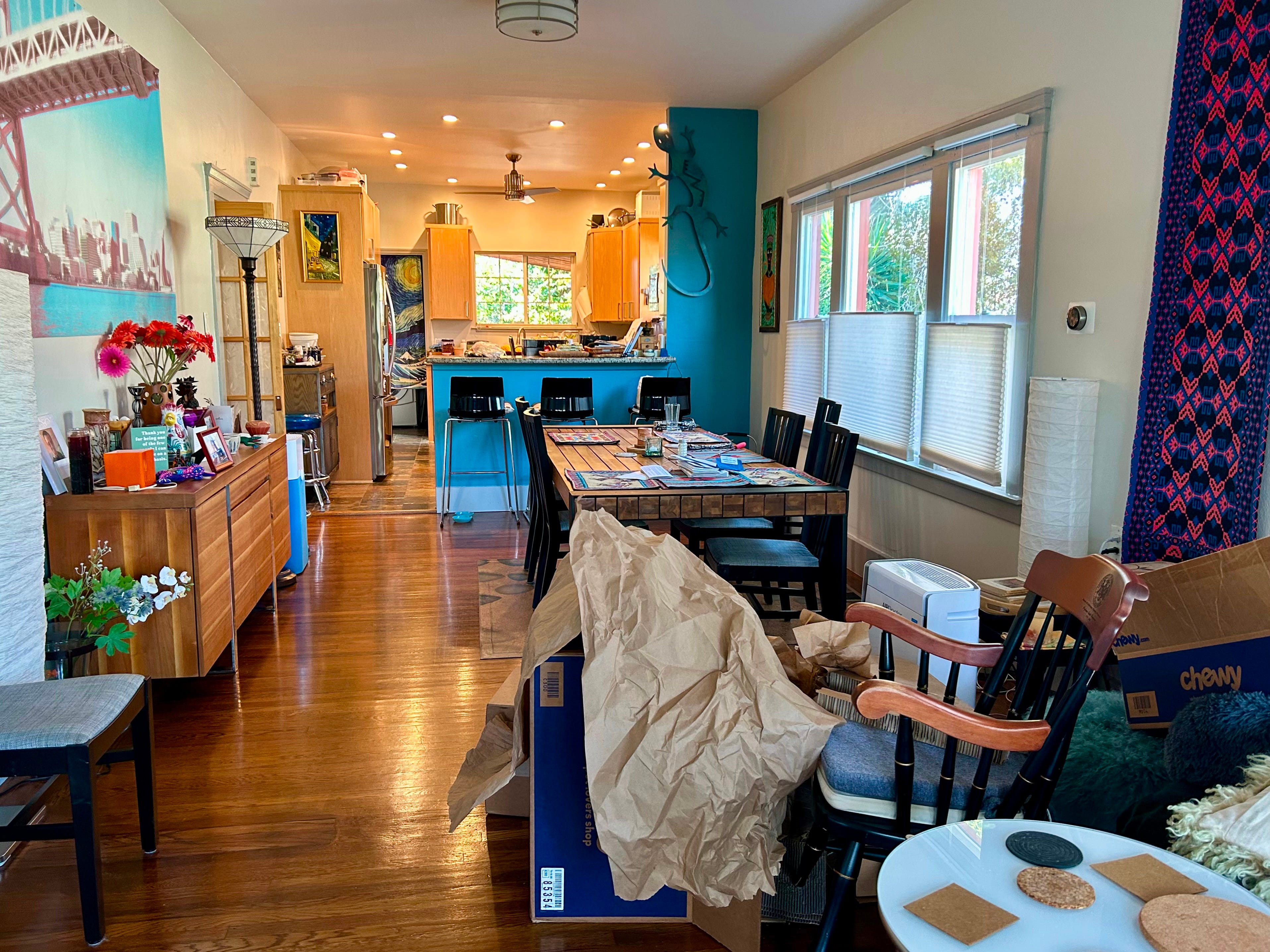
But our guests can dress however they want. They can put their coats down wherever. They can go to the kitchen to get themselves a glass of water. They can take their shoes off and stretch out on the couch. We might provide a meal or we might have a potluck — but even if I cook several courses, the atmosphere stays casual, dammit.
Level 2: Super-casual
Now and then, we achieve the super-casual level of hosting.
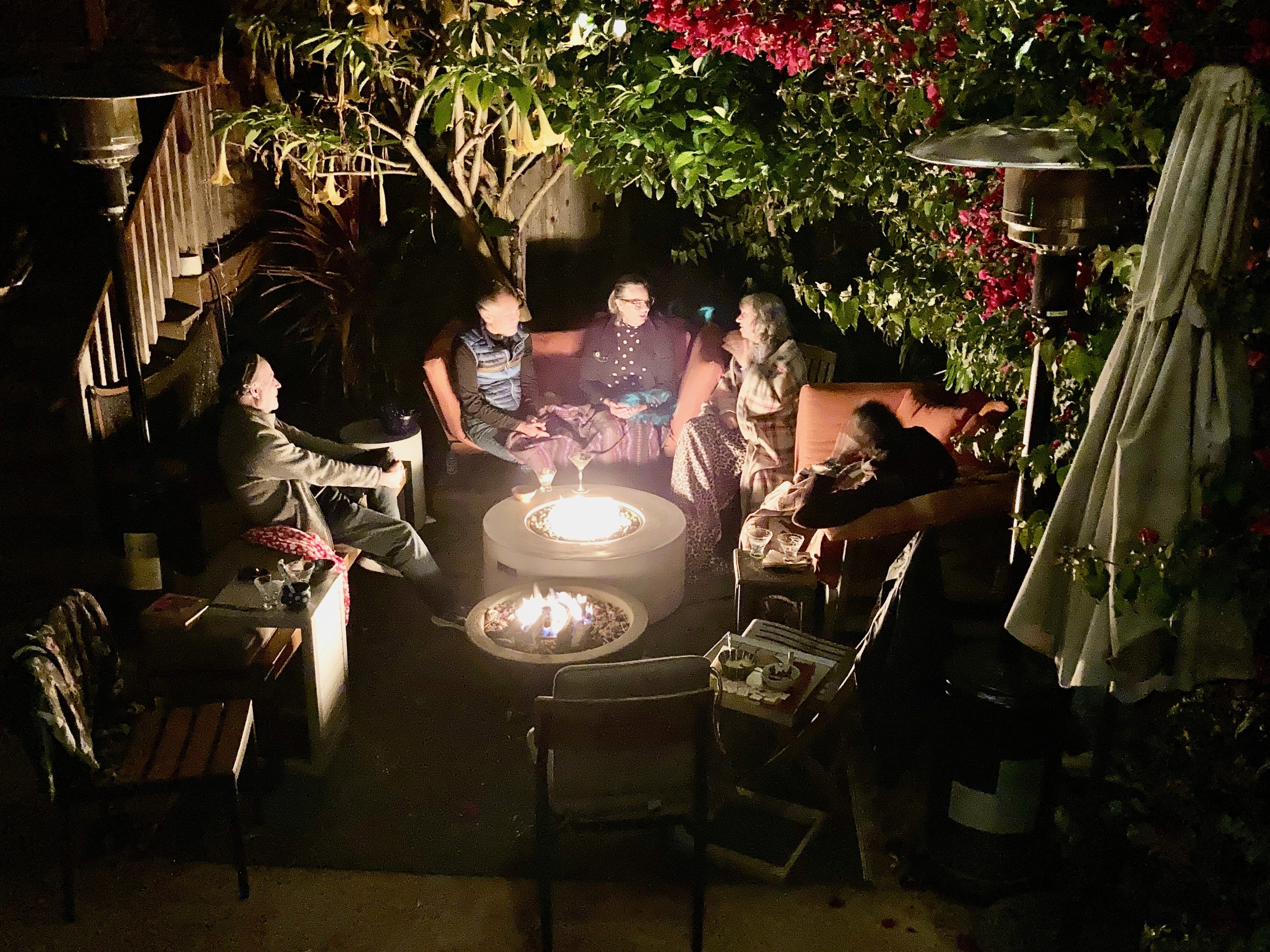
Our Super-Casual Hangoutstm generally involve gathering around the fire pit in our backyard. Friends are invited over as late as that day or the day before. We might order pizza or we might have a potluck, but to be Super-Casualtm, a potluck can’t be coordinated.
The idea is to minimize effort for everyone and lighten the mental load, which encourages gathering with friends without the obstacle of the work required to get together. Or weeks of planning ahead, which I abhor almost as much as I abhor formality.
In practice, this isn’t as easy as you might think. Rafael feels some internal pressure to concoct one of his famous cocktails and curate the perfect playlist. I fret about whether there will be enough or the right kind of food for everyone. I already told you I’m not perfect! Still, we keep trying.
Level 3: Scruffy hospitality
This highest level of hospitality is one to aspire to but challenging to achieve. A Super-Casual Hangouttm should incorporate scruffy hospitality — to be fair, without scruffy hospitality it can probably only be called a Casual Hangout. Wait, are my categories breaking down? Maybe scruffy hospitality would be a Super-Extra-Casual Hangout.
What’s scruffy hospitality? It’s casual to the max. Food is involved, but the food can be leftovers you need to get rid of. Tidying is not involved; the home and garden are “come as you are” (remember those come-as-you-are parties of the 1970s?).
As explained in the article that inspired my scruffy hospitality aspiration:
Scruffy hospitality means you’re not waiting for everything in your house to be in order before you host and serve friends in your home. Scruffy hospitality means you hunger more for good conversation and serving a simple meal of what you have, not what you don’t have. Scruffy hospitality means you’re more interested in quality conversation than the impression your home or lawn makes.
My ideal scruffy hospitality gathering would involve texting friends the day of and letting everyone bring what they will, with no extra preparation — being able to gather easily and spontaneously. While we haven’t quite achieved this, I can dream, can’t I?
The fruits of being casual
You see, it’s not just about my aversion to formality, though that plays a role. The overriding reason for Super-Casual Hangoutstm and scruffy hospitality is that they’re more conducive to building community — which, yes, I’ve written about before.
Remember when you were in college or in your twenties? If you’re like me, back then you did a lot more hanging out with friends — one reason friendships from those times are so treasured. You’re more likely to get close to people if you hang out with them regularly — not by dining with them for two hours once every few months. Casual gatherings, since they can be more spontaneous and require less preparation, allow for more frequent contact with friends and more unstructured time together.
Even if you’re a fan of formality, that might be something you can get behind. For those of us who aren’t, it’s yet another reason to get casual.
Reading this recent post in Annie Scott's Wankery Watch (not surprisingly, by Annie Scott) made me feel better about not writing exclusively about fascism. As she wisely notes, “If you spend your days bathing in things that tell you the world is on fire and you are failing to keep up, you quietly start to assume that things won’t work, that you’ll probably fail, and that there’s not much point trying.” Do yourself a favor and check out her Substack!
Help me feel like I’m not alone here by leaving a comment. It’s all part of creating a casual but connected community!
Love this framing of casual vs formal as a tool for frequency over perfection. The scruffy hospitality concept really captures something I've noticed in tech environments where the best connections happen over random slack hangouts not quarterly all-hands dinners. Makes me wanna ditch the mental load of coordinating everything and just invite folks over tonite.
This made me smile. I tend toward a little more formal in that if I’m inviting people over it’s planned and I spend hours stressing out about the menu. But at the end of the day, I’m opening the door in jeans. Kind of a blend.
Also, I must be in a curmudgeon phase - right now life is so busy that I don’t want anyone coming to my house. We have a financial planner we’re interviewing coming to the house because as she puts it “It makes people more comfortable.” It doesn’t make me more comfortable! Come to think of it - I’ll look for somewhere else to meet…